Wolf Cut for Women 2026: The Complete Styling Guide
The wolf cut has evolved from a pandemic hair experiment into one of the most-requested hairstyles of the decade. Combining the volume of a classic shag with the edgy structure of a modern mullet, this layered cut delivers effortless cool that works across every hair type, face shape, and personal style.
Whether you are considering your first wolf cut or looking to refresh your current one, this guide covers everything — from choosing the right variation for your features to styling it at home in under 15 minutes.
Not sure if a wolf cut suits your face shape? Check our face shape hairstyle guide to find cuts that flatter your proportions, or try GlowAI's free face shape analysis to get personalized recommendations.
What Is a Wolf Cut?
A wolf cut is a layered hairstyle that blends two iconic looks: the 1970s shag and the modern mullet. The defining features are:
- Heavy layering at the crown for maximum volume
- Face-framing layers that fall like curtain bangs
- Longer layers in the back that taper down
- Textured, choppy ends for a lived-in finish
The name comes from the wild, tousled result — as if you have been running through the woods. It was popularized through TikTok and Korean beauty trends and has since been adopted by stylists worldwide as a versatile, personality-packed cut.
Wolf Cut Variations for Every Hair Type
Wolf Cut for Straight Hair
Straight hair gets the most transformation from a wolf cut. The layers add movement and body that straight textures naturally lack.
Best approach: Ask for more interior layering at the crown and razor-cut ends for texture. Without natural wave, you will rely more on styling products and tools.
Styling tip: Use a 1.25-inch curling wand to add loose bends throughout the layers, alternating directions. A texturizing spray seals the deal. For styling product suggestions based on your hair type, see our hair care routine guide.
Wolf Cut for Wavy Hair
Wavy hair (types 2A-2C) is arguably the sweet spot for wolf cuts. Your natural texture does most of the styling work.
Best approach: Ask for layers that enhance your natural wave pattern. Avoid over-thinning, which can create frizz on wavy hair. Point-cutting the ends gives a softer finish than razor-cutting.
Styling tip: Scrunch in a curl-enhancing mousse while damp, diffuse until 80% dry, and let air dry the rest. Your natural waves will fall into the layers perfectly.
Wolf Cut for Curly Hair
Curly hair (types 3A-3C) looks incredible in a wolf cut. The layers define individual curls and reduce the triangular shape that curly cuts sometimes create.
Best approach: Always get a dry cut if your curls are 3A or tighter. Wet-cutting curly hair leads to uneven results when it springs up. Ask for longer layers than you think you want since curls shrink 20-50%.
Styling tip: Apply a leave-in conditioner and curl cream to soaking wet hair, scrunch, and diffuse on low heat. The wolf cut layers will create beautiful curl clusters with volume at the crown. For the best products for your curl type, check our curly hair products guide.
Wolf Cut for Coily Hair
Coily hair (types 4A-4C) gets dramatic shape and definition from a wolf cut. It emphasizes natural texture beautifully.
Best approach: Work with a stylist experienced in coily textures. Layers should be longer to account for maximum shrinkage (up to 75%). The stylist should shape the cut to work with your natural curl pattern, not against it.
Styling tip: Use the LOC (Liquid, Oil, Cream) method after washing. Twist or finger-coil the top layers for defined volume. A hooded dryer or diffuser on low heat sets the style while preserving moisture.
Wolf Cut for Every Face Shape
The wolf cut is remarkably adaptable. Here is how to customize it:
Oval Face
You can wear any wolf cut variation. The balanced proportions of an oval face mean no modifications are needed. Go as dramatic or subtle as you like.
Round Face
Ask for longer face-framing layers that fall below the chin to elongate your face. More volume at the crown and less width at the cheeks creates a flattering vertical line.
Square Face
Soft, wispy layers around the jawline work best. Avoid blunt or heavy layering at jaw level, which emphasizes the angular jawline. Consider pairing with wispy bangs to soften the forehead.
Heart-Shaped Face
Request layers that add width at the chin and jaw area. A wolf cut with volume at the bottom and slightly less at the crown balances the wider forehead and narrow chin.
Diamond Face
Focus on layers that add width at the forehead and chin while keeping cheekbone-level hair close to the face. Curtain bangs are especially flattering on diamond face shapes.
How to Style a Wolf Cut at Home
Daily Routine (10-15 Minutes)
Step 1: Towel-dry hair until damp, not dripping.
Step 2: Apply a volumizing mousse from roots to mid-lengths, then a texturizing spray from mid-lengths to ends.
Step 3: Flip your head upside down and rough-dry with a blow dryer until 80% dry. This builds volume at the crown.
Step 4: Right-side up, use a round brush to blow-dry the face-framing pieces away from the face (the signature curtain bang effect).
Step 5: For extra texture, use a 1-inch curling wand to add random bends throughout the layers. Alternate directions for a natural look.
Step 6: Finish with a matte texture paste worked through the ends for separation and a light-hold spray to keep the shape.
Quick 5-Minute Refresh
When your wolf cut has grown out slightly or needs a day-two refresh:
- Dry shampoo at the roots for volume
- Quick hit with the curling wand on the face-framing pieces
- Scrunch in a texturizing spray
- Tousle with your fingers
This works for all hair types and is perfect for busy mornings.
Coloring Your Wolf Cut
A wolf cut looks stunning with color techniques that emphasize the layers:
- Balayage: Hand-painted highlights that catch on the layers create incredible dimension. See our balayage and highlights comparison to choose your technique.
- Money pieces: Bold, face-framing highlights that contrast with the base color
- Copper and auburn tones: Currently trending in 2026 and pair perfectly with the wolf cut's retro-inspired shape. See what shades stylists are recommending in our hair color trends guide.
- Root smudge: A darkened root that blends into lighter lengths, emphasizing the crown volume
Wolf Cut Maintenance
Trimming Schedule
- Full shape maintenance: Every 6-8 weeks
- Face-framing touch-up: Every 4-6 weeks (or DIY snip at home)
- Growing it out: Every 8-10 weeks for light clean-up
Products You Need
- Texturizing spray — the single most important styling product for a wolf cut
- Volumizing mousse — for the crown layers
- Matte paste or clay — for piecey separation
- Heat protectant — essential for any hot-tool styling
- Deep conditioning mask — weekly, since layers expose older hair to more damage
Common Mistakes to Avoid
- Over-layering fine hair: Too many layers on thin hair makes it look sparse. Opt for fewer, chunkier layers.
- Skipping face-framing pieces: These are what make a wolf cut a wolf cut. Without them, it is just a shag.
- Too much product: The wolf cut should look effortless, not crunchy or weighed down. Less is more.
- Not accounting for shrinkage: Curly and coily textures must account for spring-up. Always go longer.
Is a Wolf Cut Right for You?
Ask yourself:
- Do you want low-maintenance hair? Wolf cuts are forgiving and look good even when grown out.
- Do you like volume? This cut is built for it.
- Are you comfortable with texture? If you prefer sleek and polished, a wolf cut may feel too undone.
- Do you style your hair most days? Straight and fine hair needs some styling effort to achieve the full wolf cut effect.
If you answered yes to the first two questions, a wolf cut is likely a great fit. Use GlowAI's color season analysis to find the best color to pair with your new wolf cut based on your natural coloring.
Celebrity Wolf Cut Inspiration
These celebrities have worn iconic wolf cuts:
- Billie Eilish — Long, dramatic wolf cut with bold color
- Miley Cyrus — Short, edgy wolf cut with blonde highlights
- Taylor Swift — Soft, romantic wolf cut with curtain bangs
- Priyanka Chopra — Medium wolf cut with face-framing layers
- Barbie Ferreira — Curly wolf cut celebrating natural texture
Each demonstrates how adaptable the cut is across face shapes, hair types, and personal styles.
The Bottom Line
The wolf cut remains one of the most versatile and requested hairstyles in 2026 because it genuinely works for almost everyone. The key is customizing the layers, length, and styling approach for your specific hair type and face shape.
Whether you go for a dramatic short wolfie or a subtle long wolf cut, this style delivers volume, movement, and personality with minimal daily effort.
Ready to see how different hairstyles would look on you? Try GlowAI's free face shape analysis to get personalized hairstyle recommendations based on your unique features. You can also explore which side bangs styling would complement your wolf cut perfectly.
Frequently Asked Questions
What is a wolf cut?▼
A wolf cut is a hybrid hairstyle that combines the volume and layers of a shag haircut with the choppy, textured edges of a mullet. It features heavy layering around the crown for volume, face-framing layers, and longer pieces in the back. The result is an effortlessly messy, rock-and-roll look that works on virtually every hair type and length.
Does a wolf cut work on straight hair?▼
Yes, a wolf cut works beautifully on straight hair. It adds movement and texture that straight hair often lacks. Ask your stylist for more interior layering to create volume at the crown, and use a texturizing spray or sea salt spray to enhance the choppy, lived-in look. A round brush or curling wand can add soft bends for extra dimension.
Is a wolf cut good for curly hair?▼
A wolf cut is excellent for curly hair — many stylists consider curly hair the ideal texture for this cut. The natural curl pattern adds instant volume and shape without extra styling. Layers help remove bulk and define curl patterns. For tighter curls (3B-4C), ask your stylist to cut dry so the layers fall correctly when curls spring up.
What face shapes suit a wolf cut?▼
Wolf cuts are versatile and can be adapted for any face shape. Oval faces can wear any wolf cut variation. Round faces benefit from longer face-framing layers that elongate. Square faces look great with softer, wispier layers around the jaw. Heart-shaped faces suit wolf cuts with volume at the chin area. Your stylist can customize the layering to flatter your specific features.
How do I style a wolf cut at home?▼
To style a wolf cut: 1) Apply a volumizing mousse or texturizing spray to damp hair, 2) Rough-dry with a diffuser or blow dryer while scrunching, 3) Use a flat iron or curling wand to add flicks and bends to the layers, 4) Apply a matte paste or texturizing powder for separation, 5) Finish with a light-hold hairspray. The key is embracing imperfection — the messier, the better.
How often should I trim a wolf cut?▼
Trim your wolf cut every 6-8 weeks to maintain the layered shape. Wolf cuts grow out more gracefully than many layered styles because the intentional shagginess still looks good as it grows. If you want to maintain the exact shape, every 6 weeks is ideal. If you are growing it out, every 8-10 weeks for light maintenance trims.
Can I do a wolf cut on short hair?▼
Absolutely. A short wolf cut (also called a 'wolfie' or 'short shag') typically falls between ear-length and chin-length. It creates a bold, edgy look with lots of volume at the crown and shorter, choppier layers. Short wolf cuts are particularly popular for those wanting a dramatic change and work well on all hair textures.
What is the difference between a wolf cut and a shag?▼
While similar, the wolf cut has more dramatic layering with a stronger contrast between the short crown layers and longer back pieces, giving it a slight mullet-like silhouette. A traditional shag has more evenly distributed layers throughout. The wolf cut is edgier and more structured, while the shag is softer and more uniform.
Will a wolf cut make my hair look thinner?▼
This depends on your hair density. For thick hair, a wolf cut removes bulk and adds movement — it will not look thinner but rather more textured and manageable. For fine or thin hair, too many layers can make hair appear thinner. Ask your stylist for fewer, more strategic layers that add volume at the crown without over-thinning the ends.
How do I ask my stylist for a wolf cut?▼
Bring reference photos showing the exact wolf cut variation you want. Key details to communicate: desired overall length, how short you want the crown layers, how much face-framing you want, and how textured or blended you prefer the layers. Mention your hair type and daily styling routine so the stylist can adapt the cut to your lifestyle.
Find Your Perfect Hairstyle
Try on trending hairstyles with our AI virtual try-on feature.
Join 10,000+ beauty enthusiasts. Unsubscribe anytime.
Was this article helpful?
Continue Your Beauty Journey
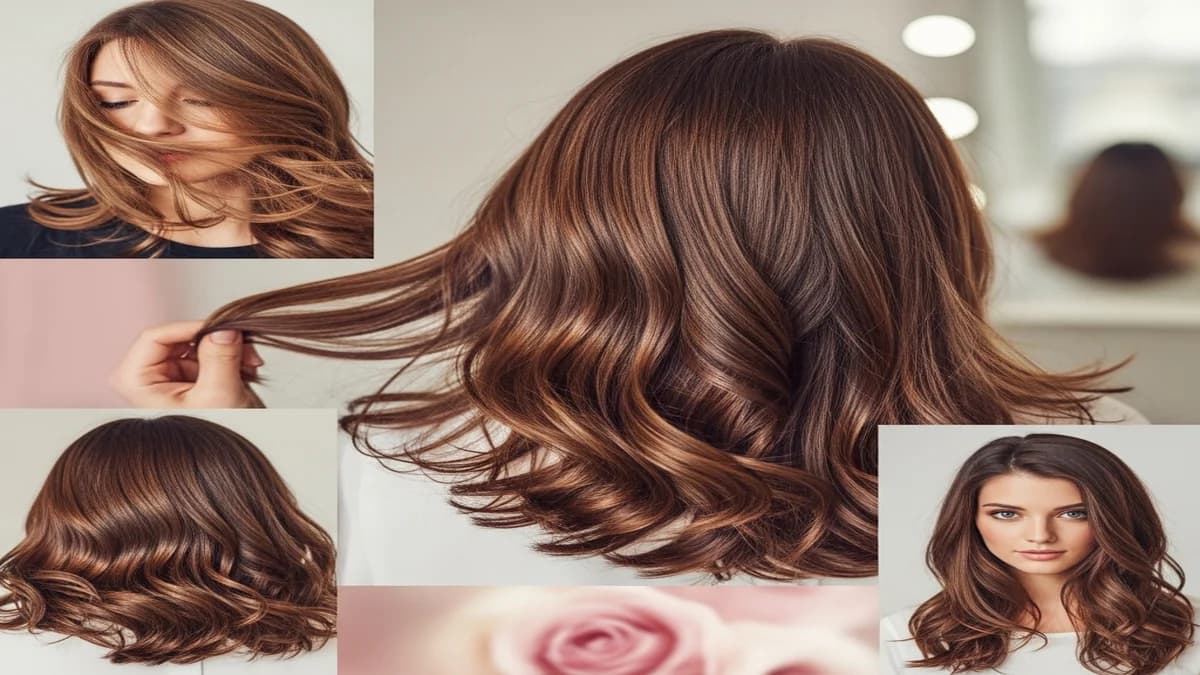
Best Hairstyles for Your Face Shape: Oval, Round, Square, Heart & More (2026)
Find the most flattering hairstyles and haircuts for your face shape. Real stylist advice for oval, round, square, heart, oblong, and diamond faces.
Hair Color Trends 2026: The 12 Shades Colorists Cannot Stop Recommending
Hair color trends 2026 — the 12 shades colorists are recommending right now. From copper to mushroom brown. See them all.
Best Hair Care Routine for Straight, Wavy, Curly & Coily Hair Types (2026)
The best hair care routine for every hair type — straight, wavy, curly, and coily. Step-by-step wash-day routines, product recommendations, and styling tips.