Side Bangs 2026: The Most Flattering Fringe for Every Face Shape
Side bangs remain one of the most universally flattering hair choices because they work with facial geometry rather than against it. The diagonal sweep creates an elongating line that slims, softens, and balances virtually every face shape — which is why stylists have recommended them for decades and why they continue to trend in 2026.
This guide covers every variation of side bangs, which styles work best for your face shape, how to cut and style them, and how to grow them out gracefully when you are ready for a change.
Not sure what suits your face shape best? Start with our complete face shape hairstyle guide for personalized recommendations.
Types of Side Bangs
Classic Side-Swept Bangs
The standard version: bangs that sweep from one side to the other, typically from a deep side part. They start shorter at the part and gradually lengthen across the forehead. Versatile, timeless, and appropriate for any setting.
Long Side Bangs
Extended side bangs that reach from the eyebrow area down to the cheekbone or chin. These blend seamlessly into the rest of the hair and are the easiest to maintain and grow out. Perfect for those who want the face-framing effect without commitment.
Layered Side Bangs
Multiple lengths within the bang section create depth and movement. The shortest pieces sit around the eyebrow, mid-length pieces at the cheekbone, and the longest blend into the hair at the chin. These pair especially well with a wolf cut or any layered style.
Wispy Side Bangs
A lighter, more airy version with thin, feathered strands. These show more forehead skin and create a softer frame than heavier side bangs. For more on this delicate style, see our wispy bangs guide.
Chunky Side Bangs
Thicker, more statement-making side bangs with less texture and more weight. These create a dramatic diagonal line across the forehead. Best on medium to thick hair since fine hair may not have enough density for the chunky effect.
Asymmetric Side Bangs
Dramatically longer on one side than the other, sometimes covering one eye. An editorial, fashion-forward choice that creates bold asymmetry. These make a strong style statement and work best when the rest of the hairstyle is relatively simple.
Side Bangs for Your Face Shape
Round Face + Side Bangs
Why it works: The diagonal line of side bangs is one of the best tools for elongating a round face. It creates an angular shape across the forehead that breaks up the circular symmetry.
Best variation: Long, swept side bangs that extend past the cheekbone. The deeper the part and the longer the sweep, the more elongating the effect.
Avoid: Very short side bangs that do not cross the midpoint of the forehead — these do not create enough diagonal length.
Square Face + Side Bangs
Why it works: Side bangs soften the strong, angular forehead and jawline by introducing a diagonal, curved element to the face.
Best variation: Soft, layered side bangs with wispy ends. The texture should be feathered and gentle, not blunt or heavy.
Avoid: Very blunt, heavy side bangs that create another strong horizontal line. The goal is softness.
Oval Face + Side Bangs
Why it works: Oval faces have balanced proportions and suit virtually any bang style. Side bangs add interest and personality without disrupting the natural balance.
Best variation: Any — experiment freely. Try asymmetric for drama, wispy for softness, or classic for timelessness.
Avoid: Nothing — oval faces can wear them all.
Heart-Shaped Face + Side Bangs
Why it works: Side bangs cover part of the wider forehead, bringing it into proportion with the narrower chin. The diagonal line draws the eye downward and outward.
Best variation: Medium-length side bangs that hit at the cheekbone level, creating width at the mid-face to balance the narrow chin.
Avoid: Very short side bangs that expose the widest part of the forehead.
Long/Oblong Face + Side Bangs
Why it works: Side bangs create a horizontal element that visually shortens the face. They break up the vertical length.
Best variation: Full, thicker side bangs that cover a significant portion of the forehead. The more forehead coverage, the shorter the face appears.
Avoid: Very thin or wispy side bangs that do not provide enough coverage to shorten the face.
Diamond Face + Side Bangs
Why it works: Side bangs add width at the forehead (one of the narrower points of a diamond face) while directing attention to the eyes and cheekbones.
Best variation: Layered side bangs that fan across the forehead, creating the illusion of a wider hairline.
How to Cut Side Bangs
At the Salon
Communicate these key details to your stylist:
- Starting length — how short should the shortest point be?
- Ending length — where should the longest pieces fall?
- Thickness — how much hair should be included in the bang section?
- Texture — wispy, choppy, or blunt?
- Part side — which side do you naturally part on?
Bring 2-3 reference photos showing the exact look you want.
DIY Side Bangs at Home
What you need: Sharp hair-cutting scissors, fine-tooth comb, clips, mirror.
Step 1: Start with clean, dry hair. Part your hair where you want the bangs to fall — typically a deep side part.
Step 2: Section off a triangular piece from the part to the outer corner of the eyebrow on the heavier side. This triangle is your bang section.
Step 3: Comb the section forward and hold it between your fingers at the desired length. Hold the hair at an angle — shorter at the inner edge (near the part), longer at the outer edge.
Step 4: Point-cut into the ends, cutting at an upward angle. Take small snips. This creates texture and prevents a blunt, heavy line.
Step 5: Release and check. Style into place and assess. Make adjustments while dry.
Golden rule: Always cut longer than you want. You can take more off. You cannot add it back.
Styling Side Bangs Daily
The Round Brush Blow-Dry (3 minutes)
- Start wet. Mist bangs with water or work with freshly washed hair.
- Blow against the grain first. Dry the bangs in the opposite direction of where they will sit. This builds volume and body.
- Flip and dry into place. Switch the bangs to the correct side. Wrap around a medium round brush, rolling under slightly, and direct the blow dryer down the hair shaft.
- Cool shot. Hit the bangs with cool air for 5 seconds to set the shape.
The Flat Iron Touch-Up (2 minutes)
- Clamp the flat iron at the root of the bangs
- Glide through slowly, curving slightly under at the midpoint
- Release with a gentle flick in the sweep direction
Air-Dry Styling
If your hair has natural wave or curl:
- Apply a light styling cream to damp bangs
- Use fingers to arrange in the desired direction
- Let air dry — the natural texture creates a relaxed side-sweep
- Tuck behind the ear on the shorter side if needed
Side Bangs with Different Haircuts
Side Bangs + Bob
A classic combination. The angular bangs add movement to a structured bob. Works with blunt bobs, A-line bobs, and textured bobs. The bangs should blend into the bob length on the longer side.
Side Bangs + Long Layers
Side bangs transition seamlessly into long layers, creating a face-framing waterfall effect. This is one of the most low-maintenance pairings since the bangs blend naturally into the layers.
Side Bangs + Wolf Cut
The edgy wolf cut with soft side bangs creates an interesting contrast — structure meets softness. The wolf cut's heavy crown layering pairs with sweeping side bangs for a modern, textured look.
Side Bangs + Pixie Cut
Side bangs are essentially built into most pixie cuts, but emphasizing the sweep creates a chic, feminine finish on a short cut. Long side bangs on a short pixie (the disconnect) is particularly eye-catching.
Side Bangs + Updos
Side bangs left out of an updo frame the face beautifully. For ponytails, buns, and braids, the side-swept fringe adds softness to structured styles. Curl the ends slightly for formal events.
Coloring Side Bangs
Color placement in side bangs creates different effects:
- Face-framing highlights: Lighter pieces through the bang section brighten the face and draw attention to the eyes
- Money piece: A bold highlight chunk in the bang section creates a focal point
- Dimensional color: Multiple tones through the bangs create depth and movement
- Ombré bangs: Lighter at the tips, darker at the roots — adds dimension
Explore the latest trends in our hair color trends guide, and consider how your balayage highlights interact with your bang section.
Maintaining Side Bangs
Trimming Schedule
- Keep the shape: Trim every 4-6 weeks
- Growing out: Trim every 6-8 weeks (just clean up the ends)
Daily Maintenance
- Wash or dry-shampoo bangs daily (forehead oils affect bangs first)
- Keep a mini round brush and travel dryer for on-the-go fixes
- Sleep in a loose side twist to prevent bed-head on bangs
Products for Side Bangs
- Light-hold hairspray — keeps the sweep without stiffness
- Texturizing spray — adds grip and movement
- Dry shampoo — essential for day-two bangs
- Silk or satin pillowcase — reduces friction while sleeping
For the right products for your specific hair type, check our hair care routine guide.
Growing Out Side Bangs
Side bangs grow out more gracefully than any other style — here is the timeline:
Weeks 1-4: Still look intentional. No adjustments needed.
Weeks 5-8: Start to reach eye level. Pin back with a bobby pin or push behind the ear.
Weeks 9-14: Cheekbone to chin length. These function as face-framing layers and look great loose.
Weeks 15-20: Fully blend into the rest of the hair. Your bangs have become face-framing layers.
Tip: Do not trim the bangs during the grow-out if you are committed. Just change how you style them at each awkward stage.
The Bottom Line
Side bangs are the safest, most universally flattering bang choice because the diagonal line created by the sweep works with virtually every facial proportion. They are easier to maintain than full bangs, grow out more gracefully, and look equally polished on a red carpet or in a grocery store.
The key is matching the weight, length, and texture to your face shape and hair type. When done right, side bangs elevate any hairstyle — from a simple ponytail to a dramatic updo.
For personalized hairstyle recommendations based on your face shape and features, try GlowAI's free AI analysis. Pair your perfect side bangs with the right colors using our color season analysis and find products for your specific hair type in our curly hair products guide.
Frequently Asked Questions
What face shape looks best with side bangs?▼
Side bangs are universally flattering, but they particularly benefit round, square, and heart-shaped faces. The diagonal line created by side-swept bangs elongates round faces, softens square jawlines, and balances wide foreheads on heart-shaped faces. Oval faces can wear any variation. Long faces benefit from fuller side bangs that add horizontal width. No face shape is off-limits for side bangs.
What is the difference between side bangs and curtain bangs?▼
Side bangs sweep to one side from a deep side part, creating an asymmetrical line across the forehead. Curtain bangs part in the center and sweep to both sides symmetrically, framing the face like curtains. Side bangs are more dramatic and angular; curtain bangs are softer and more balanced. Both can be wispy or heavy, short or long. Many people alternate between the two by simply changing their part.
How do I style side bangs?▼
The basic technique: blow dry with a round brush, directing the hair across the forehead in the desired direction. Start by drying the bangs in the opposite direction first (this builds volume), then flip them to the correct side and dry into place. A flat iron on low heat can smooth any stubborn pieces. Finish with a light hairspray. The entire process takes 2-3 minutes.
How long should side bangs be?▼
Side bangs should typically start at eyebrow length at the shortest point and graduate to cheekbone or chin length at the longest point. The exact length depends on your face shape: shorter side bangs (eyebrow to eye level) suit oval and heart faces, medium length (eye to cheekbone) suits round and square faces, and long side bangs (cheekbone to chin) are most versatile and easiest to grow out.
Can I cut side bangs at home?▼
Yes, side bangs are one of the more forgiving styles to cut at home. Start with dry hair, part where you want the bangs to fall, and section off a triangular piece. Point-cut (cut vertically into the ends) at an angle — shorter on the inner side, gradually longer toward the outer edge. Always start longer than you think you want. Take small amounts off at a time and check frequently in the mirror.
Do side bangs work with curly hair?▼
Absolutely. Side bangs on curly hair create a romantic, voluminous frame for the face. Important adjustments: cut them dry (curly hair shrinks when dry), leave them longer than you would for straight hair (account for 20-50% curl shrinkage), and avoid thinning shears (these cause frizz on curly hair). Style by finger-twisting the bangs and allowing them to air dry or diffuse into place.
How often do side bangs need trimming?▼
Side bangs need trimming every 4-6 weeks to maintain their shape. Because they are angled, the shorter inner pieces grow into your eyes faster than full bangs. The longer outer pieces grow out more gracefully. Between trims, you can DIY-trim just the shorter inner section at home to extend time between salon visits.
Will side bangs look good as they grow out?▼
Side bangs grow out more gracefully than any other bang style. As they lengthen, they naturally transform into long face-framing layers. During the grow-out phase: pin them back behind one ear, incorporate them into a half-up style, or let them blend into your layers. Most people find the grow-out period barely noticeable because the angled shape transitions so naturally.
Find Your Perfect Hairstyle
Try on trending hairstyles with our AI virtual try-on feature.
Join 10,000+ beauty enthusiasts. Unsubscribe anytime.
Was this article helpful?
Continue Your Beauty Journey
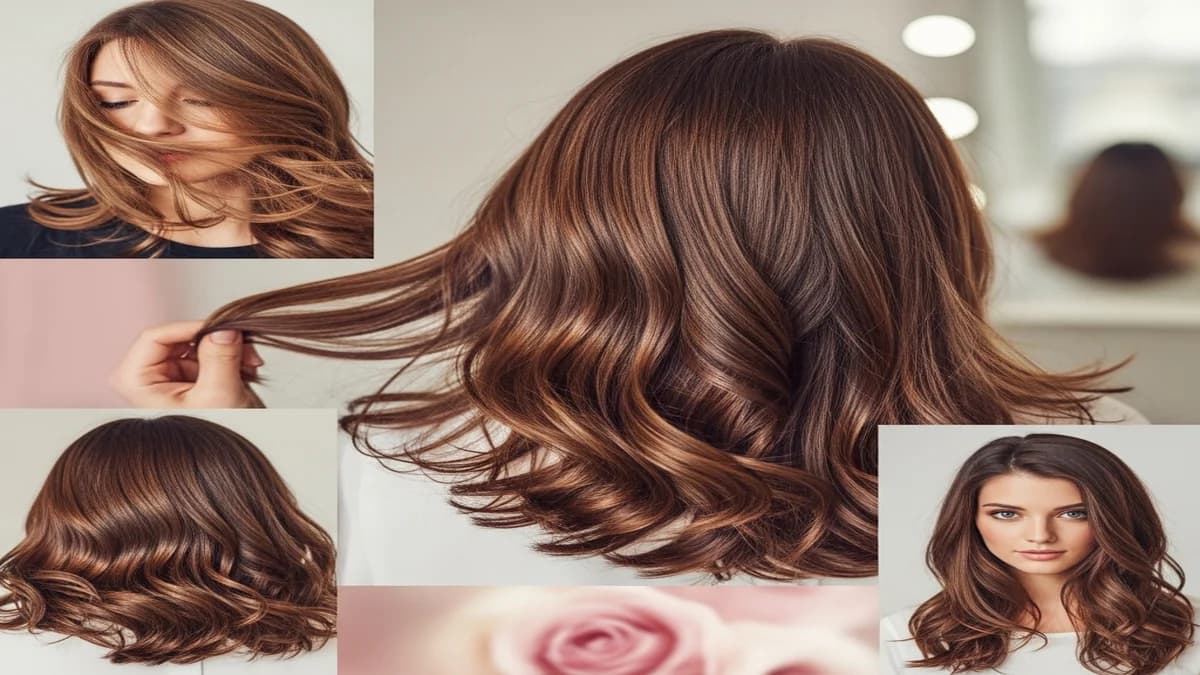
Best Hairstyles for Your Face Shape: Oval, Round, Square, Heart & More (2026)
Find the most flattering hairstyles and haircuts for your face shape. Real stylist advice for oval, round, square, heart, oblong, and diamond faces.
Wolf Cut for Women 2026: Complete Styling Guide + Virtual Try-On
Wolf cut for women — expert styling tips for every hair type and face shape, plus a free virtual try-on tool. Get your ideal cut in 2026.
Wispy Bangs 2026: How to Get, Style & Maintain the Perfect Fringe
Wispy bangs — how to get, style, and maintain the perfect soft fringe for any face shape and hair type. Full 2026 guide.