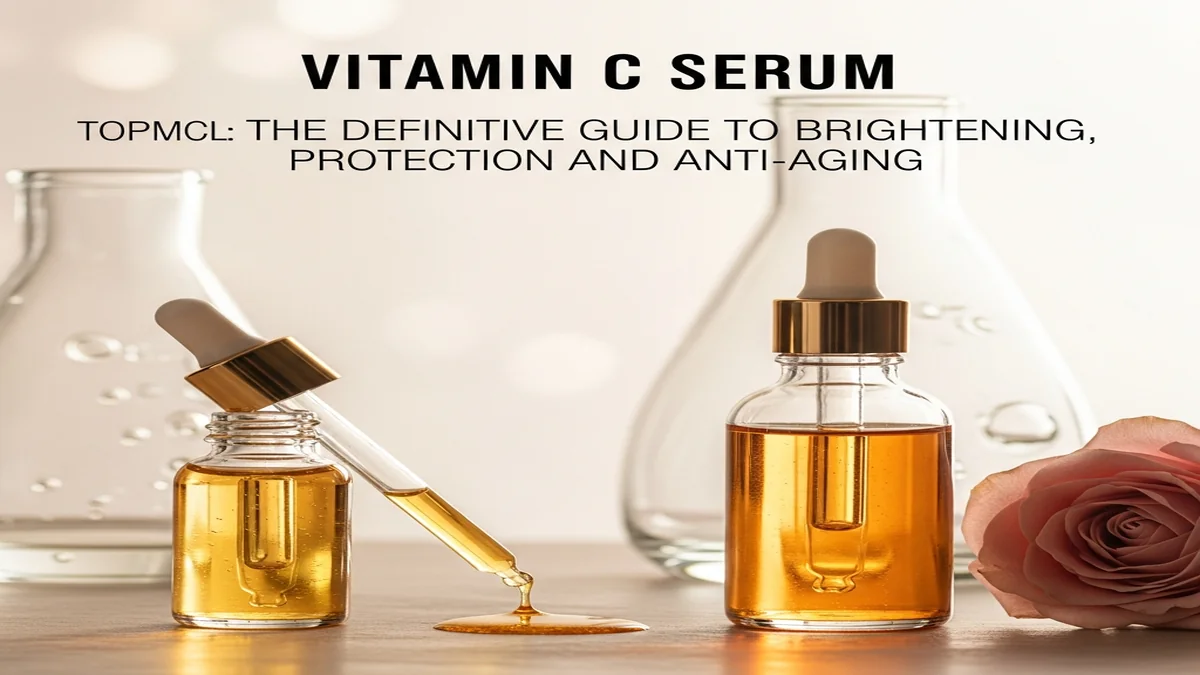
Vitamin C Serum: The Definitive Guide to Brightening, Protection, and Anti-Aging
Vitamin C is the most studied antioxidant in skincare. Decades of research confirm it brightens skin, fades hyperpigmentation, boosts collagen production, and provides photoprotection against UV-induced free radical damage. Yet vitamin C is also one of the most misunderstood ingredients — the wrong form, wrong pH, wrong storage, or wrong layering order can render it completely useless.
This guide covers the science, the different forms, stability challenges, application techniques, and how to choose a vitamin C serum that actually delivers results for your skin type.
Why Vitamin C Matters for Your Skin
Antioxidant Protection
Every day, your skin is bombarded by free radicals from UV radiation, pollution, blue light, and normal metabolic processes. Free radicals are unstable molecules that damage cell membranes, DNA, and proteins (including collagen and elastin). This oxidative stress is a primary driver of premature aging.
Vitamin C is a potent antioxidant that neutralizes free radicals before they damage your skin cells. It donates an electron to stabilize free radicals, rendering them harmless. This protective effect is why vitamin C is recommended as a morning skincare step — it provides a shield of antioxidant protection throughout the day.
Important: Vitamin C does not replace sunscreen. It enhances SPF protection by neutralizing the free radicals that sunscreen cannot block. Used together, vitamin C and SPF provide significantly greater photoprotection than either alone. See our SPF guide for complete sun protection strategy.
Collagen Synthesis
Vitamin C is essential for collagen production. It acts as a cofactor for the enzymes prolyl hydroxylase and lysyl hydroxylase, which are required for collagen molecule stabilization. Without adequate vitamin C, your body cannot produce stable collagen.
Topical vitamin C stimulates fibroblasts (collagen-producing cells) to increase collagen output. Studies show that consistent topical vitamin C use increases collagen synthesis in the dermis, improving skin firmness, reducing fine lines, and supporting wound healing.
Brightening and Hyperpigmentation
Vitamin C inhibits tyrosinase, the enzyme responsible for melanin production. By reducing melanin synthesis, vitamin C fades existing dark spots, prevents new ones from forming, and evens overall skin tone.
This mechanism is gentler than other brightening agents like hydroquinone. It works gradually over 8-12 weeks but provides cumulative improvement without the risk of rebound hyperpigmentation. For a comprehensive approach to treating dark spots, see our hyperpigmentation treatment guide.
Anti-Inflammatory Effects
Vitamin C reduces inflammatory markers in the skin, helping calm redness, reduce post-inflammatory hyperpigmentation (PIH), and support recovery after UV exposure or minor skin injuries.
Forms of Vitamin C: Which One Works Best?
Not all vitamin C is created equal. The form determines stability, penetration, efficacy, and irritation potential.
L-Ascorbic Acid (LAA)
The gold standard. L-ascorbic acid is the most potent and most studied form of vitamin C in skincare.
Pros:
- Most effective at stimulating collagen
- Strongest antioxidant protection
- Most research supporting efficacy
- Active at concentrations of 10-20%
Cons:
- Extremely unstable (degrades with light, heat, air, and water)
- Requires acidic pH (below 3.5) to penetrate skin effectively
- Can cause irritation in sensitive skin due to low pH
- Products have a limited shelf life (3-6 months after opening)
Best for: Normal to oily skin, those seeking maximum potency, experienced skincare users comfortable with acidic products.
Signs of degradation: Color change from clear/pale yellow to dark yellow, orange, or brown. Degraded LAA can actually generate free radicals — the opposite of what you want.
Ascorbyl Glucoside
A stable, gentle alternative. This is a glucose-bound form of vitamin C that is converted to ascorbic acid by enzymes in the skin.
Pros:
- Much more stable than LAA
- Works at neutral pH (less irritating)
- Well-tolerated by sensitive skin
- Good brightening effects
Cons:
- Less potent than LAA (requires enzymatic conversion)
- Fewer studies confirming collagen-boosting efficacy
- May require higher concentrations for visible results
Best for: Sensitive skin, beginners, those in hot/humid climates where LAA degrades quickly.
Ascorbyl Tetraisopalmitate
An oil-soluble form. This lipid-soluble vitamin C derivative can penetrate the skin through lipid pathways.
Pros:
- Very stable
- Good penetration through the lipid barrier
- Gentle and well-tolerated
- Works well in oil-based formulations
Cons:
- Less research than LAA
- Lower potency for collagen stimulation
- More expensive to formulate
Best for: Dry skin, those who prefer oil-based serums, sensitive skin.
Sodium Ascorbyl Phosphate (SAP)
A water-soluble, stable derivative. SAP is converted to ascorbic acid in the skin.
Pros:
- More stable than LAA
- Works at neutral pH
- Has antimicrobial properties (beneficial for acne-prone skin)
- Good antioxidant protection
Cons:
- Less potent for collagen stimulation than LAA
- Fewer long-term aging studies
Best for: Acne-prone skin, sensitive skin, those wanting antioxidant protection without irritation.
Ethyl Ascorbic Acid
A newer, highly stable derivative. This form has excellent stability and good skin penetration.
Pros:
- Very stable (does not oxidize easily)
- Good penetration
- Works at neutral pH
- Effective for brightening
Cons:
- Less research than LAA (newer ingredient)
- Potency for collagen unclear compared to LAA
Best for: Those who want vitamin C benefits without the stability concerns of LAA.
3-O-Ethyl Ascorbic Acid
A premium derivative. Direct delivery of ascorbic acid without requiring enzymatic conversion.
Pros:
- Stable and effective
- Does not require enzymatic conversion
- Works at a wide pH range
- Good brightening and collagen effects
Cons:
- More expensive
- Less widely available
Best for: Those willing to invest in a premium, stable vitamin C.
How to Use Vitamin C Correctly
When to Apply
Morning is optimal. Vitamin C's antioxidant protection is most valuable during the day when your skin is exposed to UV, pollution, and environmental stressors. Apply after cleansing and before moisturizer and SPF.
Evening use is also fine — vitamin C's collagen-stimulating and brightening effects work around the clock. If you use retinol at night, vitamin C in the morning provides a clean split.
The Correct Routine Order
- Cleanser
- Vitamin C serum (apply to clean, dry or slightly damp skin)
- Other water-based serums (niacinamide, hyaluronic acid)
- Moisturizer
- SPF (morning only)
Application Technique
- Amount: 4-5 drops for the entire face
- Method: Apply to fingertips, then press gently into skin (forehead, cheeks, chin, nose)
- Wait time: Allow 1-2 minutes to absorb before applying the next product
- Frequency: Once daily is sufficient. Twice daily is acceptable but increases irritation risk with LAA
The pH Factor (for L-Ascorbic Acid)
LAA requires a pH below 3.5 to penetrate the skin effectively. This is important for layering:
- Apply LAA to clean skin before any other products (other products may raise the skin's pH)
- Do not mix LAA with alkaline products (some cleansers leave an alkaline residue)
- Wait 10-15 minutes after LAA before applying products with different pH requirements (this maximizes absorption)
For stable derivatives (ascorbyl glucoside, SAP, etc.), pH is less critical — they work across a wider range.
Combining Vitamin C with Other Actives
Vitamin C + SPF
Essential combination. Vitamin C and SPF together provide significantly more photoprotection than either alone. Vitamin C neutralizes the free radicals that slip past SPF. Always use both.
Vitamin C + Vitamin E + Ferulic Acid
The synergistic trio. Research by Dr. Sheldon Pinnell (published in the Journal of Investigative Dermatology) demonstrated that combining LAA with vitamin E and ferulic acid:
- Doubles the photoprotection of vitamin C alone
- Stabilizes LAA in solution
- Enhances antioxidant efficacy eightfold
This is why many premium vitamin C serums include all three ingredients.
Vitamin C + Niacinamide
Safe to combine. Despite outdated claims that these two conflict, modern formulations combine them without issues. They complement each other — vitamin C provides antioxidant protection and brightening, niacinamide provides barrier support and oil control.
Vitamin C + Retinol
Use at different times. While not dangerous together, using LAA (low pH) and retinol (works best at slightly acidic to neutral pH) in the same routine can increase irritation. The practical approach: vitamin C in the morning, retinol in the evening. See our retinol guide for more on retinoid best practices.
Vitamin C + AHAs/BHAs
Layer carefully. Both vitamin C (LAA) and AHAs are acidic. Using them in the same routine can over-exfoliate and irritate. If you use both, apply vitamin C in the morning and acids in the evening.
Vitamin C + Hyaluronic Acid
Great pairing. HA provides hydration while vitamin C provides protection and brightening. Apply vitamin C first, then HA serum.
Storage and Stability
For L-Ascorbic Acid Products
- Store in a cool, dark place (refrigeration extends potency)
- Keep the cap tightly closed (minimize air exposure)
- Use within 3 months of opening (regardless of the expiration date)
- Discard if the color changes to dark yellow, orange, or brown
- Choose dark glass bottles or airless pumps (protect from light)
For Stable Derivatives
- Store at room temperature (away from direct sunlight)
- Standard shelf life (6-12 months after opening)
- Less concern about color changes
Vitamin C for Different Skin Types
Oily Skin
LAA serums in a lightweight, water-based formula work well. The low pH of LAA can also help with oil control. SAP is another excellent choice due to its antimicrobial properties.
Recommended: 10-20% LAA or 5% SAP in a water-based serum.
Dry Skin
Oil-soluble vitamin C derivatives (ascorbyl tetraisopalmitate) in an oil-based serum provide both vitamin C benefits and additional moisture.
Recommended: Ascorbyl tetraisopalmitate in an oil serum, or LAA paired with hyaluronic acid and a rich moisturizer.
Sensitive Skin
Avoid LAA initially — its low pH can trigger irritation, redness, and stinging. Start with stable derivatives like ascorbyl glucoside or ethyl ascorbic acid.
Recommended: 5-10% ascorbyl glucoside or ethyl ascorbic acid. Introduce slowly (every other day).
Acne-Prone Skin
SAP has demonstrated antimicrobial effects that may benefit acne. LAA is also suitable as long as the formula is non-comedogenic.
Recommended: 5% SAP or 10-15% LAA in an oil-free formula.
Mature Skin
Maximum collagen stimulation is the priority. LAA at 15-20% (if tolerated) combined with vitamin E and ferulic acid provides the strongest anti-aging effects.
Recommended: 15-20% LAA with vitamin E and ferulic acid.
Common Mistakes
Mistake 1: Using Degraded Product
If your vitamin C serum has turned orange or brown, it is no longer providing antioxidant protection and may be generating free radicals. Discard it and purchase fresh.
Mistake 2: Starting Too Strong
10-20% LAA can cause stinging, redness, and irritation in vitamin C beginners. Start with 10% and increase to 15-20% after your skin adjusts (2-4 weeks).
Mistake 3: Skipping SPF
Vitamin C enhances sun protection but does not replace it. Using vitamin C without SPF means you are fighting free radicals with one hand while UV exposure generates them with the other.
Mistake 4: Expecting Overnight Results
Vitamin C works gradually. Brightening effects appear at 4-6 weeks. Collagen improvement takes 8-12 weeks. Consistent daily use over months provides the best results.
Mistake 5: DIY Vitamin C Serums
Homemade vitamin C serums are risky. Getting the pH, concentration, and stability right requires precise formulation. Incorrect pH can burn skin. Unstable formulas degrade immediately. Leave formulation to professionals.
How to Choose the Right Vitamin C Product
What to Look For
- Form: LAA for maximum potency; derivatives for stability and gentleness
- Concentration: 10-20% for LAA; 5-10% for derivatives
- pH: Below 3.5 for LAA products (should be stated by the brand)
- Supporting ingredients: Vitamin E, ferulic acid (for LAA); hyaluronic acid, niacinamide
- Packaging: Dark glass, airless pumps, or opaque containers
- Texture: Match to your skin type (water-based for oily, oil-based for dry)
Red Flags
- Clear glass packaging (light destroys vitamin C)
- No concentration stated
- Vitamin C listed low on the ingredient list
- Already discolored when purchased
- No expiration date or manufacturing date
The Bottom Line
Vitamin C is a cornerstone skincare ingredient with robust scientific evidence supporting its benefits for brightening, photoprotection, collagen synthesis, and anti-aging. The key to success is choosing the right form for your skin type, using it correctly, and storing it properly.
For personalized recommendations on which vitamin C form and concentration is right for your skin, try GlowAI's AI skin analysis. It evaluates your skin type, concerns, and sensitivity level to recommend the optimal vitamin C strategy for your needs.
Frequently Asked Questions
What does vitamin C serum do for skin?▼
Vitamin C serum brightens skin, fades dark spots and hyperpigmentation, boosts collagen production for anti-aging, protects against UV and pollution damage through antioxidant action, and evens out skin tone for a healthier, more radiant complexion.
When should I apply vitamin C serum?▼
Apply vitamin C serum in the morning after cleansing and before moisturizer and SPF. Morning application maximizes its antioxidant protection against daytime environmental stressors like UV rays, pollution, and blue light.
What concentration of vitamin C is best?▼
Start with 10 to 15 percent L-ascorbic acid for most skin types. Sensitive skin should begin at 5 to 10 percent. Concentrations above 20 percent increase irritation risk without significant additional benefit for most people.
Can vitamin C cause irritation or breakouts?▼
Vitamin C at high concentrations can cause tingling, redness, or breakouts in sensitive skin. If you experience irritation, switch to a lower concentration or a gentler derivative like sodium ascorbyl phosphate or ascorbyl glucoside.
How should I store vitamin C serum?▼
Store vitamin C serum in a cool, dark place away from direct sunlight. L-ascorbic acid oxidizes quickly — if the serum turns dark orange or brown, it has degraded and should be replaced. Air-tight, opaque bottles preserve potency longest.
Can I use vitamin C with retinol?▼
You can use vitamin C and retinol but at different times: vitamin C in the morning for antioxidant protection and retinol at night for anti-aging. Using them simultaneously in the same routine may cause irritation for some skin types.
What form of vitamin C is most effective?▼
L-ascorbic acid is the most researched and effective form of vitamin C for skin. It requires a low pH to penetrate skin effectively. Vitamin C derivatives like ascorbyl glucoside are gentler alternatives that convert to active form in skin.
How long does vitamin C serum take to work?▼
Vitamin C serum shows initial brightening within two to three weeks. Significant dark spot fading and skin tone improvement take six to eight weeks. Collagen-boosting anti-aging benefits appear after three to six months of consistent daily use.
Get Your Free AI Skin Analysis
Upload a selfie and get personalized skincare recommendations powered by AI.
Join 10,000+ beauty enthusiasts. Unsubscribe anytime.
Was this article helpful?
Continue Your Beauty Journey
Hyaluronic Acid: Complete Guide to Skin Hydration (2026)
Hyaluronic acid for skin — how it hydrates, the best molecular weights, and how to layer it correctly. Complete guide inside.
Niacinamide Guide: Benefits, How to Use & Best Products (2026)
Niacinamide for skin — benefits, how to use it, and the best products for pores, oil, and dark spots. Full guide inside.
Retinol Complete Guide: Anti-Aging Gold Standard (2026)
Retinol complete guide — how to start, best products, and routines for anti-aging and acne without irritation. Learn more.