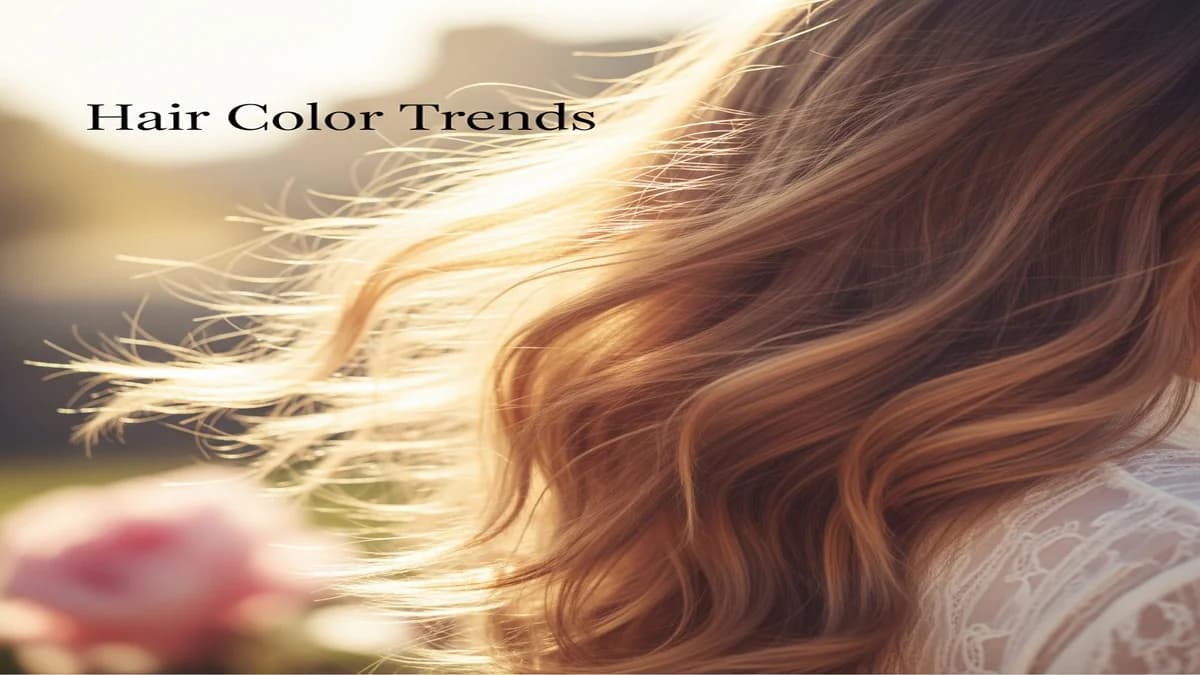
Hair Color Trends 2026: The 12 Shades Colorists Cannot Stop Recommending
The hair color trends of 2026 represent a fascinating shift. After years of high-maintenance platinum blondes and dramatic fashion colors, the industry is moving toward rich, dimensional, and lived-in shades that look expensive without requiring monthly salon visits. At the same time, bold copper and red tones are having their biggest moment in a decade.
Here are the 12 hair color trends that top colorists around the world are recommending this year, plus guidance on choosing the right one for your skin tone.
1. Expensive Brunette
The reigning champion of 2026 hair color. Expensive brunette is a rich, multi-dimensional brown with subtle highlights and lowlights that create depth and movement. It looks like your natural hair color on its very best day.
What makes it "expensive": The key is dimension. Flat, single-process brown looks basic. Expensive brunette has carefully placed face-framing highlights, glossy lowlights, and an overall richness that catches light beautifully.
Best for: Almost everyone. This trend is particularly stunning on those with warm or neutral undertones and natural brown hair. It is one of the lowest-maintenance trends because it grows out gracefully.
Maintenance level: Low to moderate. Touch-ups every 10-14 weeks. Regular glossing treatments maintain the shine.
2. Copper and Auburn Revival
Copper hair is having its biggest moment since the 1990s. From soft strawberry copper to rich auburn to bold burnt orange, the entire red-copper spectrum is trending hard in 2026.
The spectrum:
- Strawberry copper: The lightest, most approachable version. A warm, golden-red that looks sun-kissed.
- True copper: Rich, penny-colored copper with orange and gold tones. The most trending shade.
- Auburn: Deeper, with more brown and red balance. Sophisticated and rich.
- Burnt orange: Bold and fashion-forward, leaning more orange than red.
Best for: Warm and neutral skin tones. Fair skin with freckles looks especially stunning with copper tones. Cool skin tones should choose cooler versions of red (burgundy or wine) rather than warm copper.
Maintenance level: High. Red and copper pigments fade fastest and require color-depositing products and regular touch-ups every 4-6 weeks.
3. Mushroom Brown
A cool-toned, ashy brown with grey and taupe undertones. Mushroom brown is the antidote to warm, golden browns and looks incredibly sophisticated on cool skin tones.
What it looks like: Think of the color of a portobello mushroom. It is brown but with a distinctly cool, almost grey quality. In certain lighting, it can look slightly lavender-tinged.
Best for: Cool skin tones (Summer and Winter seasons). This shade enhances the pink and blue qualities of cool skin beautifully. Warm skin tones should avoid this shade as it can look ashy in an unflattering way.
Maintenance level: Moderate. Requires purple or silver toning products to maintain the cool quality and prevent brassiness.
4. Bronde (The Perfect In-Between)
Bronde sits exactly between brown and blonde, creating a sun-kissed effect that looks effortlessly natural. It is one of the most universally flattering hair colors because it has enough warmth for warm tones and enough lightness for cool tones.
Why it works: Bronde gives the brightness of blonde without the commitment or maintenance. It works with your natural base rather than fighting it, making it one of the most low-maintenance color options.
Best for: Truly universal. Works across most skin tones with slight adjustments. Warm bronde (golden-leaning) for warm skin, cool bronde (ash-leaning) for cool skin.
Maintenance level: Low. The blend between brown and blonde means growth is virtually invisible, especially with balayage application.
5. Cinnamon Spice
A warm, spiced brown with red and golden undertones. Cinnamon spice is richer than auburn but softer than copper, sitting in a sweet spot that looks warm and inviting.
What sets it apart: While copper is bold and attention-grabbing, cinnamon spice is more subtle. It reads as "warm brown with a hint of something special" rather than overtly red.
Best for: Warm and neutral skin tones, particularly those who want to add warmth without going full red. Beautiful on medium skin tones and pairs well with warm brown or hazel eyes.
Maintenance level: Moderate. The warm tones fade gradually into a still-attractive warm brown, making grow-out less dramatic than copper.
6. Platinum Ice
For those who want maximum impact, platinum ice is the coolest, iciest version of blonde. Think almost-white with subtle silver or violet tones. This shade is a statement and requires commitment.
The reality check: Platinum requires significant lightening (especially if starting from dark hair), regular toning, and dedicated maintenance. But for those willing to invest, the result is striking.
Best for: Cool skin tones, particularly Cool Winter and Bright Winter seasons. The icy quality of platinum complements cool, high-contrast coloring. Warm skin tones can wear platinum but may need warmer, champagne-leaning versions.
Maintenance level: Very high. Root touch-ups every 3-4 weeks, purple shampoo multiple times per week, regular salon toning, and deep conditioning treatments.
7. Soft Black (Off-Black)
Not quite black, not quite dark brown. Soft black is a deep, dimensional shade that has the richness of black hair but with enough warmth or dimension to avoid looking flat.
The difference from true black: True black box dye creates a single-note, flat result. Soft black has subtle warm or cool undertones and micro-variations in depth that create dimension, especially in natural light.
Best for: Deep skin tones, high-contrast coloring, and anyone whose natural hair is very dark. This shade enhances rather than competes with deep natural coloring.
Maintenance level: Low. Dark hair is the easiest to maintain since there is no lightening involved. Occasional glossing treatments add shine.
8. Honey Blonde
A warm, golden blonde that evokes natural sun-bleached hair. Honey blonde is one of the most flattering shades for warm skin tones and looks effortlessly Californian.
The key to getting it right: Honey blonde should look warm and golden, not yellow or brassy. The best versions have depth at the roots and brightness through the mid-lengths and ends.
Best for: Warm skin tones, especially Light Spring and Warm Spring seasons. Also beautiful on warm neutral skin. If you have cool skin, choose a cooler interpretation or add cool-toned babylights to balance.
Maintenance level: Moderate. Blonde always requires more maintenance than dark shades. Expect touch-ups every 6-8 weeks for balayage or 4-6 weeks for all-over color.
9. Espresso Glaze
Ultra-dark, ultra-shiny espresso brown that looks like a freshly pulled shot of espresso. This shade is all about high-shine, rich depth without any lightening.
The secret ingredient: A hair gloss or glaze treatment that adds mirror-like shine to dark hair. Many colorists are offering glaze-only services for clients who want to upgrade their dark hair without changing the color.
Best for: Anyone with naturally dark hair who wants to maximize shine and richness. Works across all skin tones because it does not change your base color, just enhances it.
Maintenance level: Very low. The glaze wears off gradually over 4-6 weeks. No roots to manage.
10. Rose Brunette
Brown hair with a subtle rosy or pink undertone. Rose brunette is more wearable than overt pink hair but adds an unexpected, romantic quality to standard brown.
How it differs from auburn: Auburn leans orange-red. Rose brunette leans pink-red. The result is cooler, more unusual, and feels more modern.
Best for: Cool and neutral skin tones. The pink undertone in the hair harmonizes with cool, pink-based skin. Warm skin tones may find this shade clashes with their golden undertone.
Maintenance level: Moderate. The rose tones fade first, requiring color-depositing conditioners or touch-ups every 6-8 weeks.
11. Scandinavian Blonde
A cool, icy blonde that is not as extreme as platinum. Scandinavian blonde has a natural, lived-in quality with cool ash tones and subtle dimension. Think Nordic minimalism translated into hair color.
What makes it different from platinum: Scandinavian blonde allows some depth and dimension. It is not stripped to pure white but rather a natural-looking cool blonde with varying tones of ash and beige.
Best for: Cool skin tones, especially Light Summer and Cool Summer. Natural blondes who want to enhance their color without dramatic change. Also works as a bridge for those considering platinum but wanting to test cooler blonde territory first.
Maintenance level: Moderate to high. Requires toning to prevent brassiness and regular touch-ups, but less intense than platinum.
12. Warm Caramel Balayage
Hand-painted warm caramel highlights on a brown base. This balayage technique creates a natural, sun-kissed effect that adds warmth and dimension to brunette hair.
Why it endures: Caramel balayage has been popular for years because it works. The hand-painted technique means no harsh lines at the roots, the grow-out is beautiful, and it adds warmth to virtually any brown base.
Best for: Warm and neutral skin tones. The golden caramel tones complement warm skin beautifully. Cool skin tones should consider ash or mushroom-toned highlights instead.
Maintenance level: Low. Balayage is designed to grow out gracefully. Touch-ups needed only every 12-16 weeks, making it one of the most low-maintenance color options.
Choosing the Right Hair Color for Your Skin Tone
The most important factor in choosing a flattering hair color is matching its temperature to your skin's undertone.
For Warm Undertones
Best choices: Honey blonde, copper, cinnamon spice, warm caramel, expensive brunette (warm version), golden highlights
Avoid: Mushroom brown, Scandinavian blonde, platinum ice, ash-anything
For Cool Undertones
Best choices: Mushroom brown, Scandinavian blonde, platinum ice, rose brunette, espresso glaze, cool-toned balayage
Avoid: Warm copper, honey blonde, golden caramel, warm auburn
For Neutral Undertones
Best choices: Bronde, expensive brunette, soft copper, neutral caramel, soft black
Advantage: Neutral skin can pull off both warm and cool shades, so you have the widest range of options.
For the most accurate color matching, try GlowAI's color season analysis. It identifies your specific color season, which includes recommendations for the most flattering hair colors based on your undertone, value, and contrast level.
Hair Color Maintenance Tips
- Use color-safe shampoo and conditioner. Sulfate-free formulas preserve color longer.
- Cold water rinse. Finish your shower with a cool rinse to seal the cuticle and lock in color.
- UV protection. Sun exposure fades hair color. Use a UV-protective spray or wear a hat.
- Color-depositing products. Use color-depositing conditioners between salon visits to refresh your shade.
- Limit heat styling. Heat opens the cuticle and accelerates color fade. Use heat protectant when you do style.
The Bottom Line
The best hair color for 2026 is the one that makes you feel confident and complements your natural coloring. Whether you go bold with copper or subtle with espresso glaze, the key is choosing a temperature that harmonizes with your skin tone.
If you are unsure which shade is right for you, start with lower-commitment options like a glaze or balayage before committing to all-over color. And for personalized recommendations based on your exact coloring, try GlowAI's virtual try-on feature to preview different shades before your salon appointment.
Frequently Asked Questions
What are the biggest hair color trends for 2026?▼
The biggest hair color trends for 2026 include copper and auburn tones, mushroom brown, cherry cola red, buttercream blonde, and espresso brunette. Rich, dimensional color with face-framing highlights dominates salon requests this year.
Is copper hair still trending in 2026?▼
Copper hair is one of the strongest hair color trends in 2026, evolving into richer, deeper variations like spiced copper and burnt sienna. The shade flatters warm and neutral skin tones and adds warmth to any hair texture.
What blonde shade is trending in 2026?▼
Buttercream blonde is the top blonde trend for 2026 — a warm, creamy shade between platinum and golden blonde. It works with balayage or full color and is low-maintenance with a softer grow-out than icy platinum shades.
What brunette shade is most popular in 2026?▼
Espresso and mushroom brown are the most popular brunette shades in 2026. Espresso is a rich, dark brown with warm undertones, while mushroom brown is cooler and more muted. Both add depth and dimension to natural brunette hair.
How do I choose a hair color that suits me?▼
Choose a hair color that complements your skin undertone: warm undertones suit golden, copper, and caramel shades, while cool undertones suit ash, platinum, and burgundy. GlowAI's color season analysis helps identify your most flattering shades.
Are low-maintenance hair colors trending?▼
Yes, low-maintenance hair colors dominate 2026 trends. Balayage, root smudge, and tonal techniques that grow out gracefully are preferred over high-contrast, high-maintenance styles. Natural-looking dimension requires fewer salon visits.
What hair color hides grey hair best?▼
Dimensional techniques like balayage and babylights blend grey hair naturally without harsh lines. Warm shades like caramel and copper camouflage greys well. Cooler greys can embrace silver blending for a stylish, modern result.
How often should I refresh my hair color?▼
Refresh hair color every four to eight weeks depending on technique. All-over color needs more frequent touch-ups. Balayage and highlights can stretch to three to four months. Use color-safe shampoo and avoid hot water to extend vibrancy.
Find Your Perfect Hairstyle
Try on trending hairstyles with our AI virtual try-on feature.
Join 10,000+ beauty enthusiasts. Unsubscribe anytime.
Was this article helpful?
Continue Your Beauty Journey
Best Hair Care Routine for Straight, Wavy, Curly & Coily Hair Types (2026)
The best hair care routine for every hair type — straight, wavy, curly, and coily. Step-by-step wash-day routines, product recommendations, and styling tips.
Best Hairstyles for Your Face Shape: Oval, Round, Square, Heart & More (2026)
Find the most flattering hairstyles and haircuts for your face shape. Real stylist advice for oval, round, square, heart, oblong, and diamond faces.
Balayage vs Highlights: Complete Comparison Guide (2026)
Balayage vs highlights — which coloring technique suits your hair? Compare cost, maintenance, and results. Find your match.