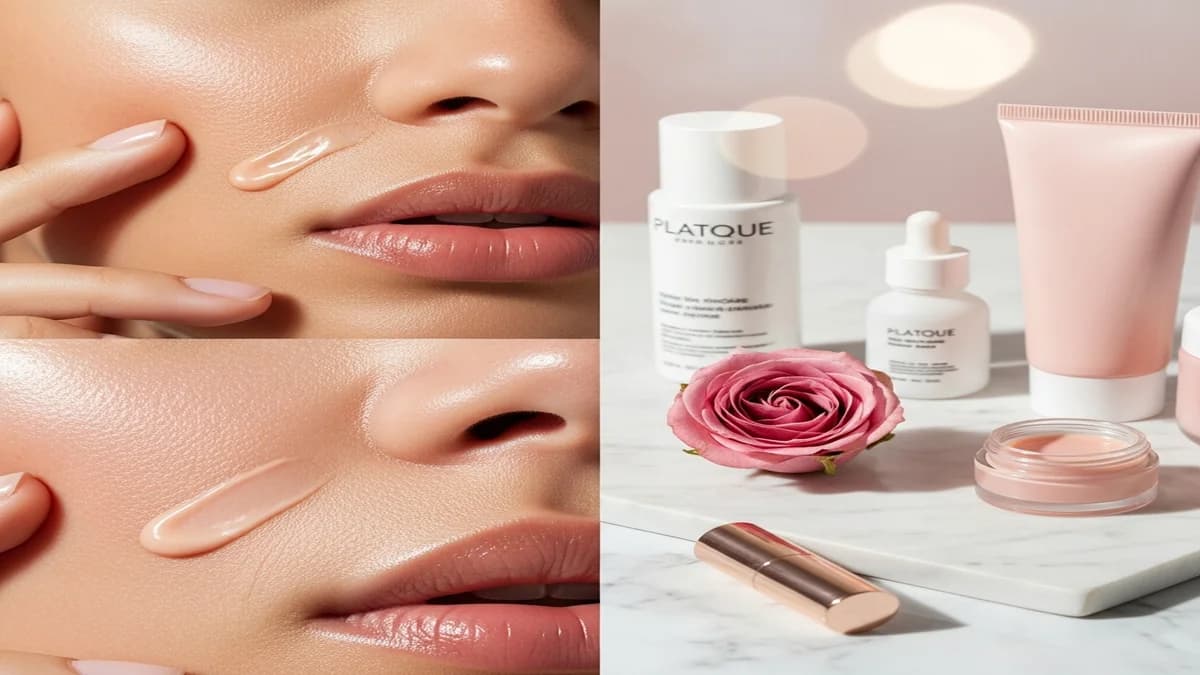
How to Determine Your Skin Type: The Complete Guide
Your skin type is the foundation of every skincare decision you make. Using products designed for oily skin when you have dry skin (or vice versa) is like wearing shoes three sizes too small: uncomfortable, ineffective, and potentially damaging. Yet many people are using the wrong products because they have never accurately identified their skin type.
This guide gives you reliable methods to determine your skin type, explains what each type needs, and helps you build a routine that works with your skin's natural tendencies.
The Five Skin Types
Normal Skin
Normal skin is well-balanced: not too oily, not too dry. Pores are small to medium-sized, skin texture is smooth, and breakouts are infrequent. If this sounds too good to be true, normal skin is actually less common than people think.
Characteristics:
- Minimal visible pores
- Even skin tone with few imperfections
- Rarely experiences breakouts
- Comfortable throughout the day without feeling tight or greasy
- Good elasticity and natural glow
Oily Skin
Oily skin produces excess sebum, particularly in the T-zone (forehead, nose, chin). Pores tend to be larger, and the skin has a shiny or greasy appearance, especially by midday.
Characteristics:
- Visible, enlarged pores, especially on the nose and forehead
- Shiny or greasy appearance within hours of cleansing
- Prone to blackheads, whiteheads, and acne breakouts
- Makeup tends to slide or separate throughout the day
- Skin feels slick to the touch
Dry Skin
Dry skin produces insufficient sebum, leading to tightness, flaking, and sometimes irritation. The skin barrier is often compromised, making it more susceptible to environmental damage.
Characteristics:
- Tight, uncomfortable feeling after cleansing
- Visible flaking or peeling, especially around the nose and mouth
- Fine lines appear more pronounced
- Skin may feel rough or papery to the touch
- Rarely experiences breakouts but may have patches of redness
- Dull or lackluster appearance
Combination Skin
Combination skin is the most common skin type. It features oily areas (typically the T-zone) alongside dry or normal areas (typically the cheeks, jawline, and eye area).
Characteristics:
- Oily T-zone (forehead, nose, chin) with dry or normal cheeks
- Pore size varies across the face (larger in T-zone, smaller on cheeks)
- May experience breakouts in oily zones and dryness/flaking in others
- Needs different products for different facial zones
- Can fluctuate between more oily or more dry depending on season
Sensitive Skin
Sensitive skin reacts easily to products, environmental factors, and stress. It may overlap with any of the other skin types (you can have oily-sensitive or dry-sensitive skin).
Characteristics:
- Redness, stinging, or burning when using new products
- Reactive to environmental changes (wind, cold, heat, pollution)
- May experience rashes, bumps, or flushing
- Often reacts to fragranced products or harsh ingredients
- Skin barrier is frequently compromised
Three Methods to Determine Your Skin Type
Method 1: The Bare-Face Test
This is the most reliable at-home method:
- Cleanse your face with a gentle, pH-balanced cleanser
- Pat dry and apply absolutely nothing to your skin
- Wait 2-3 hours without touching your face
- Observe your skin:
If your entire face feels comfortable and looks balanced: Normal skin If your entire face is shiny, especially the T-zone: Oily skin If your skin feels tight, rough, or is flaking: Dry skin If your T-zone is shiny but your cheeks feel tight or dry: Combination skin If your skin is red, irritated, or stinging (even from just the cleanser): Sensitive skin
Method 2: The Blotting Sheet Test
- Cleanse your face and wait 2-3 hours with no products
- Press a clean blotting sheet or tissue to different areas of your face (forehead, nose, cheeks, chin)
- Hold the sheet up to light and examine the oil:
Oil on all areas: Oily skin Oil only on forehead, nose, and chin areas: Combination skin Little to no oil anywhere: Dry or normal skin (if comfortable = normal, if tight = dry)
Method 3: AI Analysis
The most precise method uses AI technology to analyze your skin. GlowAI's AI skin analysis takes a photo and evaluates pore size, oil distribution, texture, and visible conditions to determine your exact skin type, plus identifies any overlapping skin conditions (like dehydration on oily skin).
Skin Type vs Skin Condition
Understanding this distinction is crucial:
Skin type is your genetic baseline. It changes slowly (over years) and determines your fundamental oil production level.
Skin conditions are temporary states that can affect any skin type:
- Dehydration: Lack of water (not oil). Any skin type can be dehydrated.
- Acne: While more common in oily skin, dry and sensitive skin can also experience acne.
- Hyperpigmentation: Dark spots from sun damage, inflammation, or hormonal changes.
- Rosacea: A chronic inflammatory condition causing redness and visible blood vessels.
- Aging: Fine lines, wrinkles, and loss of elasticity affect all skin types.
You treat skin conditions on top of your skin type routine, not instead of it.
Skincare Routines by Skin Type
Normal Skin Routine
Morning:
- Gentle cleanser or water rinse
- Lightweight antioxidant serum (vitamin C)
- Lightweight moisturizer
- Broad-spectrum SPF 30+
Evening:
- Double cleanse (oil cleanser followed by gentle cleanser)
- Treatment serum (retinol, niacinamide, or peptides)
- Moisturizer
Key principle: Normal skin has the most flexibility. Focus on maintenance and prevention rather than correction.
Oily Skin Routine
Morning:
- Gel or foam cleanser
- Niacinamide serum (regulates oil production)
- Lightweight, oil-free moisturizer or gel moisturizer
- Mattifying SPF or lightweight mineral SPF
Evening:
- Oil cleanser (counterintuitive but effective for dissolving excess sebum)
- Salicylic acid cleanser or treatment
- Lightweight, oil-free moisturizer
Key principle: Do not skip moisturizer. Dehydrated oily skin actually produces MORE oil to compensate. Proper hydration helps regulate oil production.
Dry Skin Routine
Morning:
- Cream or milk cleanser (no foam)
- Hyaluronic acid serum on damp skin
- Rich, emollient moisturizer
- Hydrating SPF
Evening:
- Gentle oil cleanser
- Cream cleanser
- Hyaluronic acid serum
- Rich night cream or sleeping mask
- Facial oil on top to seal everything in
Key principle: Layer hydration. Each step should add moisture, and the final step should seal it in. For a complete morning and evening routine breakdown, see our morning and evening routine guide.
Combination Skin Routine
Morning:
- Gentle gel cleanser
- Lightweight serum (niacinamide works for both oily and dry zones)
- Lightweight moisturizer (apply a richer formula to dry areas if needed)
- SPF
Evening:
- Double cleanse
- Targeted treatment (BHA on T-zone, hydrating serum on cheeks)
- Moisturizer (can use different weights on different zones)
Key principle: Multi-masking and zone-specific treatment. Treat each zone according to its needs rather than using a one-size-fits-all approach.
Sensitive Skin Routine
Morning:
- Micellar water or ultra-gentle cream cleanser
- Soothing serum (centella asiatica, aloe vera)
- Fragrance-free, minimal-ingredient moisturizer
- Mineral SPF (less likely to irritate than chemical SPF)
Evening:
- Gentle micellar water or cream cleanser
- Calming serum (niacinamide at low concentration, or centella)
- Barrier-repair moisturizer with ceramides
- Facial oil (rosehip or squalane) to strengthen barrier
Key principle: Fewer products, fewer ingredients, and always patch-test new products. Introduce one new product at a time with at least a week between additions.
Ingredients by Skin Type
Best Ingredients for Oily Skin
- Salicylic acid (BHA): Penetrates pores and dissolves excess oil
- Niacinamide: Regulates sebum production
- Clay (kaolin, bentonite): Absorbs oil in masks
- Retinol: Regulates cell turnover and reduces oil
- Zinc: Anti-inflammatory and oil-regulating
Best Ingredients for Dry Skin
- Hyaluronic acid: Holds 1000x its weight in water
- Ceramides: Repair and strengthen the skin barrier
- Squalane: Mimics natural skin oils
- Glycerin: Humectant that draws moisture to skin
- Shea butter: Rich emollient that seals in moisture
- Urea (at low percentages): Hydrates and gently exfoliates
Best Ingredients for Sensitive Skin
- Centella asiatica (cica): Soothes inflammation and repairs
- Aloe vera: Calms and hydrates
- Oat extract (colloidal oatmeal): Anti-inflammatory and soothing
- Ceramides: Barrier repair
- Allantoin: Gentle soothing and healing
Ingredients to Avoid by Skin Type
Oily skin avoid: Heavy occlusives (petrolatum in large amounts), coconut oil (comedogenic for most)
Dry skin avoid: Harsh foaming cleansers, high-percentage AHAs/BHAs without proper moisturizing, alcohol-based toners
Sensitive skin avoid: Fragrance (natural or synthetic), essential oils, high-percentage acids, physical scrubs, retinol at high concentrations
How Your Skin Type Changes
Your skin type is not permanent. Common reasons it changes:
Aging: Skin tends to become drier with age as sebum production decreases. Someone who was oily in their twenties may become combination or normal in their forties.
Hormonal changes: Puberty, pregnancy, menopause, and hormonal medications can all shift your skin type.
Climate: Moving from a humid climate to a dry one (or vice versa) can shift your skin's oil production.
Seasons: Many people experience oilier skin in summer and drier skin in winter.
Medications: Accutane, birth control, and other medications can dramatically alter oil production.
Reassess annually: Check your skin type at least once a year or whenever you notice a significant change in how your skin behaves.
The Technology Advantage
Traditional skin type assessment relies on subjective observation. AI-powered analysis provides a more objective, nuanced assessment that can detect subtle differences you might miss.
GlowAI's AI skin analysis goes beyond the basic five types to identify your specific skin characteristics, conditions, and needs. It can detect dehydration overlapping with oiliness, early signs of sensitivity, and zone-specific variations that inform a truly personalized routine.
Understanding your skin type is step one. From there, you can build a routine that respects your skin's natural tendencies while addressing any conditions you want to improve. The result is healthier, happier skin that cooperates with your care rather than fighting it. Check out our SPF guide for the next essential step in your routine.
Frequently Asked Questions
Can your skin type change over time?▼
Yes. Skin type can change due to aging, hormonal shifts, climate changes, medications, and seasonal variations. Reassess your skin type annually or when you notice significant changes.
What is the difference between skin type and skin condition?▼
Skin type is your genetic baseline (oily, dry, combination, normal). Skin conditions are temporary states that can affect any skin type, such as acne, dehydration, sensitivity, or hyperpigmentation.
Can you have oily and dehydrated skin at the same time?▼
Yes. Oily refers to excess sebum production (skin type). Dehydrated refers to lack of water content (skin condition). Oily skin can lack water while overproducing oil.
What is the best way to determine my skin type at home?▼
Use the bare-face method: wash your face with a gentle cleanser, pat dry, and wait 30 minutes without applying any products. Then check how your skin feels — tight and flaky (dry), shiny all over (oily), shiny T-zone but dry cheeks (combination), comfortable with no issues (normal), or red and irritated (sensitive).
Can my skin type change with age?▼
Yes, skin type commonly shifts with age. Teens and young adults often have oily skin that transitions to combination in their 30s and dry skin in their 40s-50s as sebum production decreases. Hormonal changes during pregnancy, menopause, and medication use can also temporarily shift your skin type.
What is the difference between dehydrated skin and dry skin?▼
Dry skin is a skin type characterized by low oil production — it feels rough and flaky. Dehydrated skin is a temporary condition where skin lacks water, not oil. You can have oily yet dehydrated skin. Dehydration shows as dullness, tightness, and fine lines that improve with hydrating ingredients like hyaluronic acid.
How often should I reassess my skin type?▼
Reassess your skin type every 3-6 months or whenever you notice significant changes. Seasonal shifts, new medications, stress, travel, and aging all affect skin behavior. What works for your skin in summer may not work in winter.
What skin type is most prone to acne?▼
Oily skin is most prone to acne because excess sebum can clog pores and create an environment for acne-causing bacteria. However, all skin types can experience acne. Dry skin acne is often caused by a damaged moisture barrier, while combination skin typically breaks out in the T-zone.
Get Your Free AI Skin Analysis
Upload a selfie and get personalized skincare recommendations powered by AI.
Join 10,000+ beauty enthusiasts. Unsubscribe anytime.
Was this article helpful?
Continue Your Beauty Journey
Morning vs Evening Skincare Routine: Why You Need Both (2026)
Morning vs evening skincare — why you need both and what goes where. Optimize your AM/PM routine with this expert breakdown.
SPF Guide 2026: Sun Protection, Sunscreen Types & Application Tips
SPF guide — understand UVA vs UVB, compare sunscreen types, and choose the right formula for your skin. Your complete sun protection primer.
Skin Barrier Repair: Complete Guide to Healing Skin (2026)
Skin barrier repair guide — restore your moisture barrier with the right ingredients and routine. Heal dryness and irritation.